

NASA’s $3 Million Challenge: Turning Human Waste Into a Resource for Space and Earth
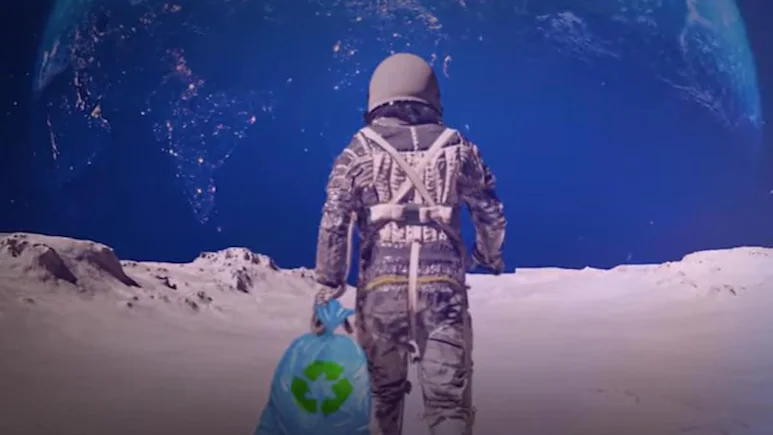
In a bold and unconventional step toward sustainable space travel, NASA has launched a $3 million competition aimed at solving one of the messier problems of space exploration—how to recycle human waste in space.
Dubbed the LunaRecycle Challenge, the initiative invites the public to develop innovative technologies capable of processing and recycling human waste, including feces, urine, and vomit, for future lunar missions and extended stays in space.
Currently, 96 bags of human waste from the Apollo missions still sit on the moon, a stark reminder of the challenges faced in off-planet sanitation. As NASA prepares for long-term lunar outposts and deep space missions, minimizing waste and managing it sustainably is becoming more crucial than ever.
“NASA is committed to sustainable space exploration,” the agency stated. “As we look ahead to human missions that stretch further into space, it’s essential to find ways to store, process, and recycle waste effectively so that nothing—or as little as possible—needs to return to Earth.”
Beyond the cosmos, the agency believes that solutions born from this challenge could also revolutionize waste management on Earth. Novel, small-scale, and efficient waste technologies have the potential to serve under-resourced communities and reduce the environmental impact of current recycling methods.
NASA is currently reviewing submissions from the first round and will soon advance top contenders. The winning team will receive a $3 million prize—and the opportunity to be part of a future that treats waste not as a problem, but as a valuable resource in humanity’s journey through space.
News Source : “Information for this article was gathered from a variety of reliable news outlets.”