

IndiGo’s Big Move: Wet-Leasing Dreamliners – A Smart Bet or Costly Gamble?
Why IndiGo is Leasing Widebody Aircraft Before Its Own A350s Arrive
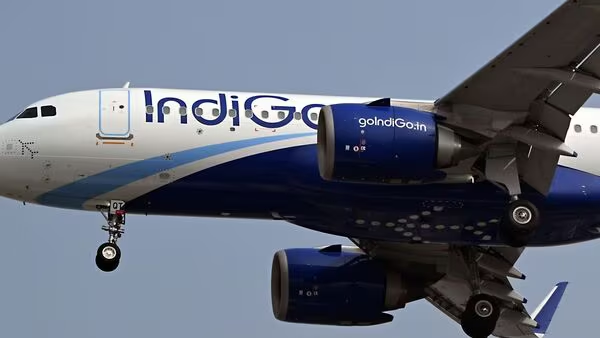
In a surprising move, IndiGo has confirmed a wet-lease agreement with Scandinavian low-cost carrier Norse Atlantic Airways to bring Boeing 787 Dreamliners into its fleet. This marks a strategic shift for the airline, which is adding widebody planes well ahead of the delivery of its own Airbus A350s, expected in 2027. While wet-leasing is expensive, IndiGo aims to establish a presence in the long-haul market early, staying ahead of competitors like Air India.
The Deal: What We Know So Far
Rumors about this agreement began circulating when Norse Atlantic filed regulatory documents in November 2024. Today, both IndiGo and Norse have officially confirmed the deal. The contract, valued at USD 462 million, will initially bring in two Dreamliners in February 2025, followed by four more in September.
Norse will receive payments based on 350 block hours per aircraft per month, with additional compensation if utilization exceeds that mark. IndiGo has also announced plans to damp-lease a 787-9 Dreamliner, set to start operations in March 2025, while exploring options for more aircraft.
Why is IndiGo Doing This?
IndiGo placed an order for 30 A350s in 2024, with deliveries scheduled to begin in 2027. However, by that time, Air India is expected to be a much stronger competitor. By bringing in widebody aircraft earlier, IndiGo can build its long-haul market presence and potentially gain a first-mover advantage over Air India’s expansion.
Currently, IndiGo operates two wet-leased Boeing 777s on routes to Istanbul and several MAX 8 aircraft (from Qatar Airways) flying to Doha. While the 777s have a dense seating configuration, the Dreamliners offer better passenger amenities, making them a more comfortable option for long-haul travel.
Will This Strategy Pay Off?
While wet-leasing is costly, IndiGo sees it as a necessary investment to secure an early foothold in the long-haul market. The timing of the induction also aligns with delays in Air India’s aircraft refurbishment, potentially giving IndiGo an opportunity to capture market share while its competitor faces operational constraints.
The big question remains—will IndiGo preempt Air India on key routes, compete directly, or explore new markets like Mumbai and Navi Mumbai? With Air India yet to expand flights from Navi Mumbai, IndiGo might just seize the opportunity to dominate new international routes.
This bold move could either position IndiGo as a major player in long-haul aviation or prove to be a costly experiment. Only time will tell if this gamble pays off.
News Source : “Information for this article was gathered from a variety of reliable news outlets.”