

Budget 2025: Clean Energy Gets a Push, but Experts Warn of Environmental Gaps
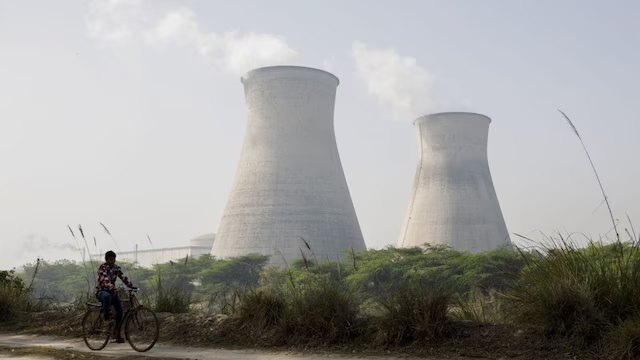
India’s Union Budget for 2025 has made significant strides in supporting clean energy, including a Rs 20,000-crore Nuclear Energy Mission. This mission aims to deploy small modular reactors by 2033, marking an important move towards diversifying the nation’s energy mix. However, experts express concerns about the funding, safety, and potential risks of nuclear energy compared to more established renewable sources like solar and wind power.
The Budget prioritizes domestic manufacturing for renewable energy components such as solar PV cells, electric vehicle batteries, and wind turbines, which is being welcomed by the industry. Additionally, the government’s removal of basic customs duties on key minerals like lithium and cobalt is expected to reduce costs for manufacturers and boost recycling efforts.
However, experts note that while the focus on clean energy is promising, India has missed an opportunity to address other critical environmental issues. Air and water pollution, industrial waste, and the country’s growing pollution levels were largely overlooked. “The budget focuses on energy security but lacks the same attention to environmental degradation,” said Dr. Chandra Bhushan, president of iForest.
The newly announced Nuclear Energy Mission, while bold, presents challenges in funding and safety. With a target of reaching 100 GW of nuclear energy by 2045, experts caution that achieving this ambitious goal will require significant investment and action in the coming years. “This is an important step for energy diversification, but it raises concerns about who will fund the project and bear the associated risks,” said Labanya Jena, a sustainable finance specialist.
Despite these efforts in clean energy, the budget’s environmental allocation remained modest. Dr. Shailly Kedia from TERI pointed out that while the overall budget grew by over 7%, the Ministry of Environment received only a 2.5% increase, highlighting a gap in addressing the country’s environmental priorities.
In addition to energy, the Budget also touched on climate change adaptation, with the introduction of the Prime Minister Dhan-Dhaanya Krishi Yojana, aimed at improving agricultural resilience. However, climate activist Harjeet Singh pointed out that more funding for adaptation measures is crucial, as erratic weather patterns continue to threaten India’s farmers and rural communities.
While the clean energy focus is a positive move, experts stress the need for a more comprehensive approach that balances energy progress with urgent environmental action.
News Source : “Information for this article was gathered from a variety of reliable news outlets.”