

BJP and Congress Take a Page from SP’s Strategy, Woo Dalit Voters in Delhi Polls
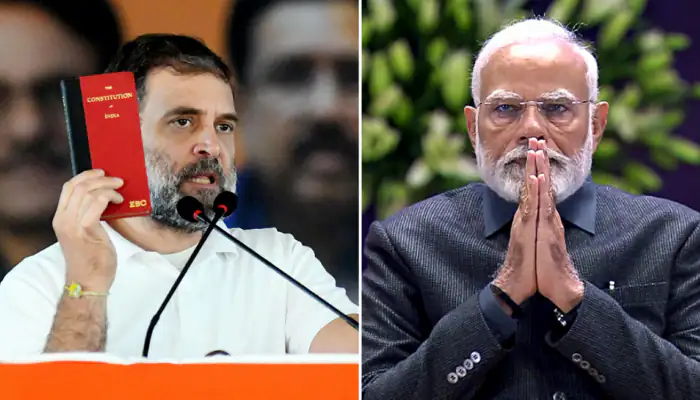
In the upcoming high-stakes Delhi elections, the BJP and Congress are stepping outside traditional boundaries by fielding Dalit candidates in non-reserved constituencies. This strategy, inspired by the Samajwadi Party’s success in Uttar Pradesh, aims to expand their outreach to Dalit voters and reshape voting patterns.
The move comes as debates over B.R. Ambedkar’s legacy and the Constitution dominate the political narrative. Both parties have gone beyond the 12 SC-reserved seats in Delhi, with the BJP fielding 14 Dalit candidates, including two in Muslim-majority constituencies, and Congress nominating 13 Dalit candidates, one of whom is contesting from a general seat.
The BJP has named Deepti Indora for Matia Mahal and Kamal Bagri for Ballimaran, both general constituencies. Congress has fielded Aruna Kumari in Narela, emphasizing its commitment to providing Dalits representation in mainstream politics.
Learning from Uttar Pradesh
This strategy mirrors the Samajwadi Party’s social engineering during the Uttar Pradesh Lok Sabha elections, where fielding Dalit candidates in general constituencies like Meerut and Ayodhya helped shift Dalit allegiance away from the BJP. The SP-Congress alliance in Uttar Pradesh disrupted the BJP’s Ram Temple-focused narrative and contributed to the party’s loss of 30 seats in the state compared to 2019.
The Importance of Dalit Votes in Delhi
In Delhi, Dalit voters hold significant sway. The BJP is banking on the performance and popularity of its candidates. Deepti Indora, despite losing the 2022 MCD elections, has shown promise in Matia Mahal. Kamal Bagri, a sitting councillor from Ram Nagar, is known for his proven track record.
Congress, on the other hand, has built its campaign around the theme of “saving the Constitution.” Aruna Kumari’s nomination in Narela signals the party’s intent to strengthen Dalit representation beyond reserved seats, tying their campaign to issues of rights and inclusion.
The Constitution at the Center of the Debate
The broader political discourse is focused on the Constitution, with both parties accusing each other of undermining its principles. Concerns have grown around claims that the NDA could alter the Constitution if it secures over 400 seats in Parliament.
For Dalit voters, this debate isn’t abstract—it’s directly linked to their rights and representation. By fielding Dalit candidates in general constituencies, the BJP and Congress are signaling a shift in their political approach, aiming to redefine how Dalits are integrated into Indian politics.
As Delhi heads to the polls on February 5, the real test will be whether this strategy resonates with voters or is dismissed as political posturing. Either way, the importance of Dalit representation has become a key theme in the city’s electoral battle.
News Source : “Information for this article was gathered from a variety of reliable news outlets.”