

Why Modi Government 3.0 Is Steering Clear of Protesting Farmers This Time
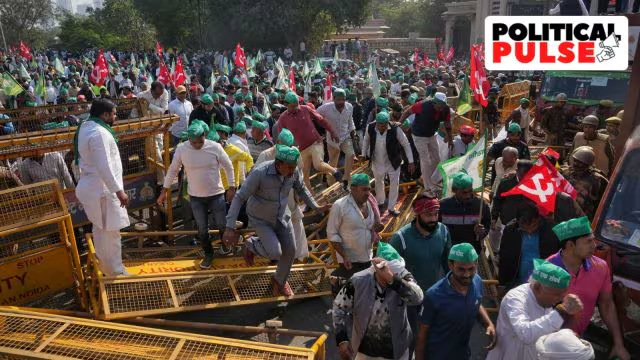
Unlike the farm agitation of 2020-21, which saw the Modi government engaging directly with farmer unions and ultimately repealing the controversial three farm laws, the government’s current approach to farmers protesting for a Minimum Support Price (MSP) law seems more reserved. This shift reflects a cautious recalibration of strategy, with Union Agriculture Minister Shivraj Singh Chouhan stating, “The Supreme Court is looking into the matter, and its directives will be followed.”
Farmers, led by the Samyukta Kisan Morcha (non-political) and Kisan Mazdoor Morcha (KMM), have been staging a sit-in at the Punjab-Haryana border since February last year. Unlike its proactive involvement in the 2020-21 protests, the Modi government 3.0 has refrained from direct talks with the agitating farmers. During the earlier protests, the government held 11 rounds of meetings and even involved senior ministers like Home Minister Amit Shah. This time, however, the Centre has adopted a hands-off approach, pointing to the Supreme Court’s involvement and limiting discussions to a general dialogue with state agriculture ministers and other farmer groups.
Why the Change in Approach?
Several factors contribute to this altered stance:
- Localized Nature of the Protest: Unlike the nationwide scale of the 2020-21 protests, the current stir is primarily limited to the Punjab-Haryana border.
- Fragmented Participation: Many prominent farmer unions, including key members of the Samyukta Kisan Morcha (SKM), have not joined the agitation, though they support its demands.
- Complex Demands: The current protest has a broader set of demands, including legal MSP guarantees and debt waivers, making resolution more challenging.
The government’s reluctance may also stem from the setbacks of the past. In October 2020, a meeting at Krishi Bhawan aimed at resolving the dispute backfired, with farmer leaders tearing up copies of the farm laws and escalating their protests. Subsequent negotiations failed, leading to a year-long blockade at Delhi’s borders. The Supreme Court eventually stayed the implementation of the laws and formed a committee to deliberate on them, but the protests persisted until the laws were repealed.
Current Scenario and Protests
The ongoing protests intensified on November 26, 2024, when BKU Sidhupur leader Jagjit Singh Dallewal began a hunger strike at Khanauri. His fast-unto-death, now in its 40th day, has raised concerns from the Supreme Court, which has urged the Centre to take note of his deteriorating health.
Despite the stalemate, Chouhan has maintained an open-door policy for farmer groups, holding weekly meetings with some but not engaging directly with the protesting unions. The Centre’s decision to rely on Supreme Court directives indicates a deliberate attempt to distance itself from a potentially contentious negotiation process.
This reserved approach marks a stark contrast to the government’s handling of previous agitations, suggesting a strategic shift in navigating the complexities of farmer demands while awaiting judicial intervention.
News Source : “Information for this article was gathered from a variety of reliable news outlets.”